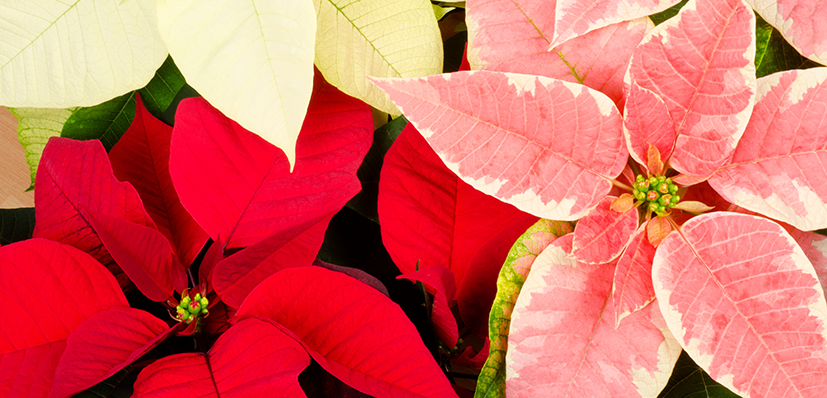

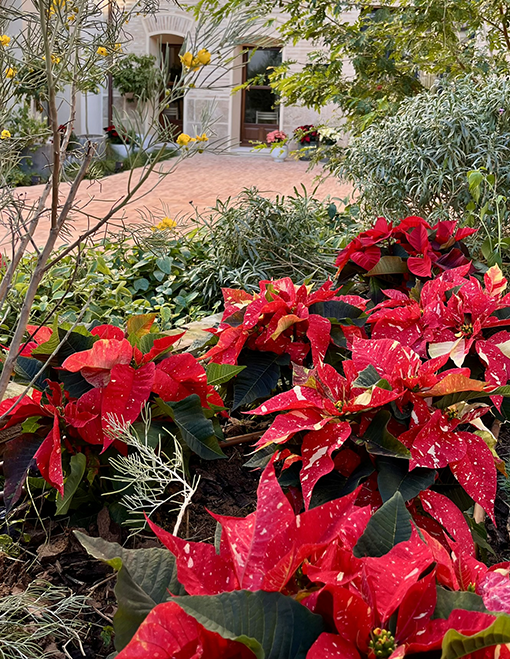
Every December, their vibrant red leaves take over homes, offices, and shop windows, becoming the undisputed symbol of Christmas. The Poinsettia, or Flor de Pascua, is so familiar that we take its presence during the holidays for granted.
But have you ever stopped to think about the surprising story hidden behind this plant?
Its journey is much deeper and more fascinating than you might imagine: a tale that stretches from the sacred rituals of pre-Hispanic empires to the ingenious marketing strategies that turned it into a global phenomenon.
Get ready to discover the secrets that its red leaves have kept for centuries.
In ancient Mexico, long before it was associated with any Christian holiday, this plant was known by the Aztecs as cuetlaxochitl—a Nahuatl name that poetically means "flower that withers." For the Mayans, it was k’alul wits, or "ember flower." Far from being a simple decoration, it was an element charged with meaning and utility.
Considered a symbol of purity, it was the preferred flower of the ruler Moctezuma II and was used in religious ceremonies as a valuable offering. Its intense red color was not merely aesthetic: it represented the blood sacrificed to their gods.
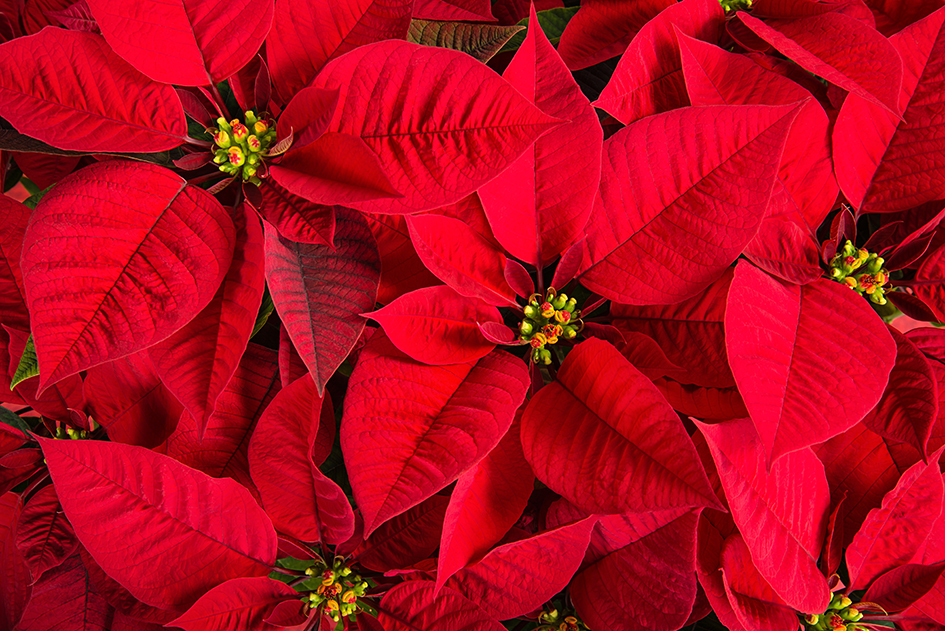
The Mesoamerican peoples discovered its surprising medicinal properties: its milky sap was used to stimulate milk production in nursing mothers or as an effective depilatory, while the boiled root was used to treat snake bites. This profound contrast between its sacred and practical origins in Mesoamerican culture and its current perception as a mere festive decoration reveals the first great secret of its history.
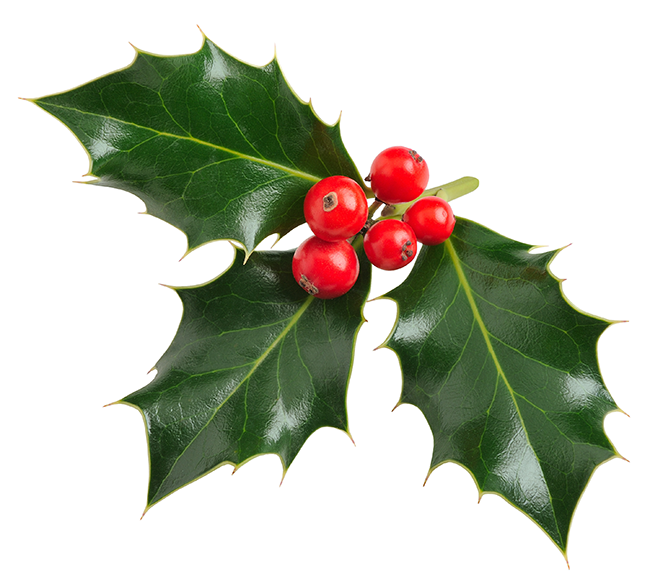
When Franciscan missionaries arrived in Mexico in the 16th century, they faced a dilemma: they did not have the traditional European holly to decorate the celebrations of the birth of Jesus.
However, they soon found a perfect substitute in the local flora. The cuetlaxochitl bloomed spectacularly in December, its deep red color could symbolize the blood of Christ, and the star-like shape of its leaves recalled the Star of Bethlehem. Thus, the sacred Aztec plant was adopted as a new Christian symbol, receiving the name it is known by today in Mexico: the Flor de Nochebuena (Christmas Eve Flower). Alongside this practical origin, a touching legend was born to cement its place in the heart of the holiday.
Although the legend has several versions, one of the best known tells the story of Pepita, a very poor girl who was devastated because she had no gift to offer the Baby Jesus at church. Distressed, she gathered some simple weeds from the roadside. When she placed them in the manger with all her love, they miraculously transformed into the brilliant red flower we know today. Her tears of sadness became the leaves of this beautiful plant—her wonderful gift.

The plant reached the United States in the 1820s thanks to Joel Roberts Poinsett, the first U.S. ambassador to Mexico. Poinsett, an amateur botanist, was fascinated to see it adorning local churches during Christmas.
He saw the direct result of the cultural adaptation the Franciscan friars had begun centuries earlier and was captivated. He sent cuttings to his home in South Carolina, and in 1836, the plant was officially renamed "Poinsettia" in his honor.
The true commercial revolution arrived in the 20th century with the Ecke family, German immigrants settled in California.
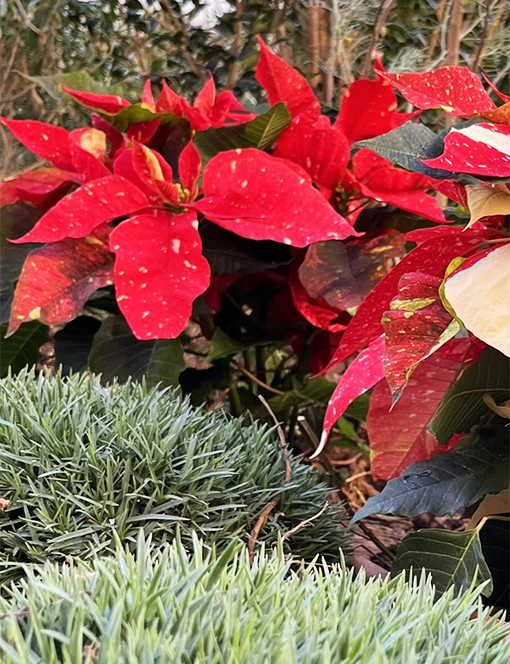
Paul Ecke recognized the plant's potential and began growing it in open fields—on the land where Los Angeles' famous Sunset Boulevard stands today—initially selling it as a cut flower.
The great leap occurred when their family business, the "Paul Ecke Ranch," developed techniques to grow more compact and durable varieties, perfect for selling in pots.
This was a radical change, considering the original wild plant can grow up to four meters high.
With clever marketing campaigns, they positioned the Poinsettia as "the Christmas flower," eventually dominating over 50% of the world market and turning it into the icon it is today.
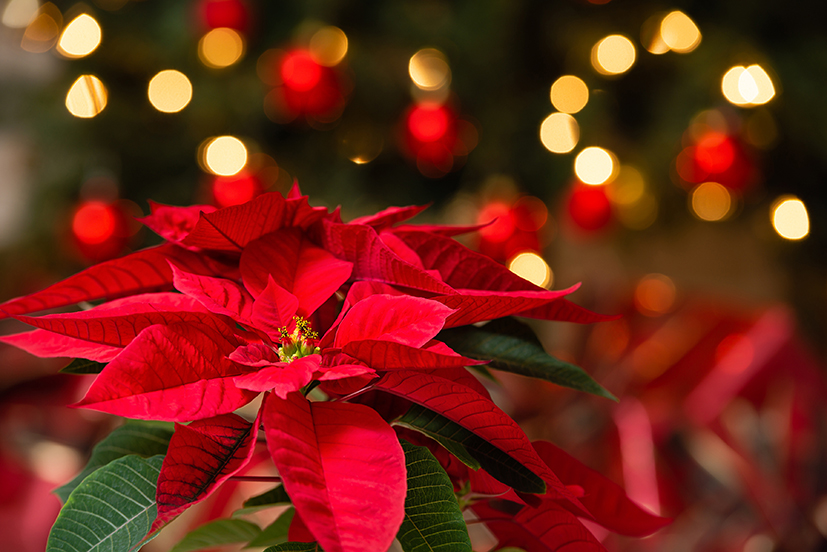
Although in the West it is synonymous with Christmas, the symbolism of the Poinsettia is much broader and more varied in other cultures. Depending on where you are in the world, gifting this plant can convey very different messages, most of them detached from Christian tradition:
Europe: In countries like France, where it is known poetically as Étoile d’Amour (Star of Love), or in Italy as Stella di Natale, it is associated with purity, happiness, and good wishes, transcending its simple decorative role.
Asia: In nations like Japan, where Christmas is not a traditional holiday, the Poinsettia is given for the New Year. It is an omen of good luck, prosperity, energy, and vitality for the coming cycle.
Latin America: In its continent of origin, besides its Christmas use, it is considered an amulet. It is believed to attract good fortune and provide protection for the New Year, connecting back to its deep roots of renewal and life.
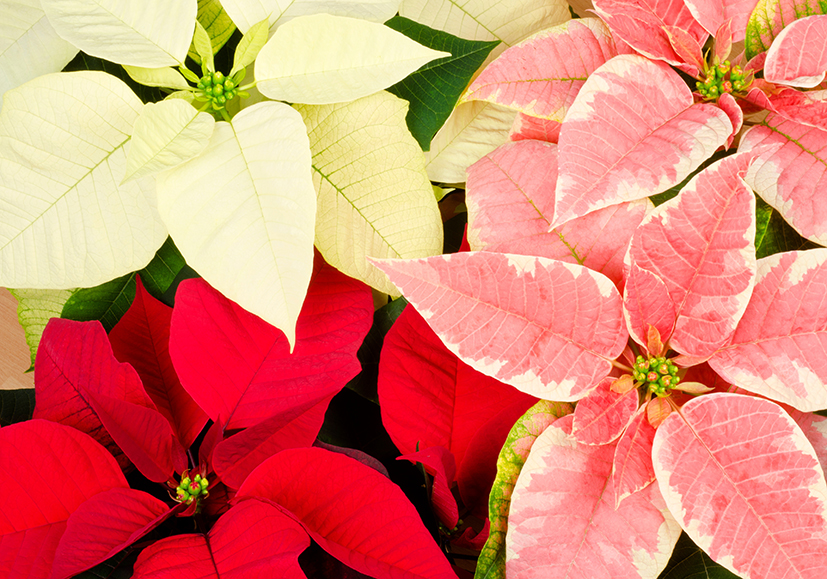

The Poinsettia is much more than a seasonal ornament. It is a fascinating cultural object whose history intertwines the cosmology of ancient empires with folk legends, international diplomacy with commercial ingenuity, and sacred symbols with global traditions. It is a silent witness to how a humble Mexican shrub was able to conquer the world, adapting its meaning to every culture that welcomed it.
Next time you see a Poinsettia adorning a corner, which story will you remember? Tell us about it.