
In the language of plants, hostas represent values deeply rooted in nature, standing out for their adaptability, resilience, and elegance.
From the heart of the shade, hostas unfurl their generous foliage as a reminder of the wisdom of time, quiet strength, and beauty that feels no need to shout for attention.
Native to East Asia (China, Japan, and Korea), hostas have been companions to human gardening for centuries. In these countries, they were cultivated not only for their ornamental value but also for their symbolism: harmony, longevity, and contemplation.
Su llegada a Europa en el siglo XIX abrió la puerta a una auténtica fascinación por estas plantas, especialmente en países como Holanda, Alemania o Inglaterra. Pero fue en Estados Unidos donde, ya entrado el siglo XX, comenzó la revolución: el mundo de la hibridación de las hostas tomó impulso, y hoy existen más de 8.000 variedades registradas.
Hostas are a perfect example of adaptability. Although they prefer shade or partial shade, many can tolerate a few hours of sun if the soil is cool and rich in organic matter. From miniature varieties to giant specimens that look like living sculptures, their versatility allows them to thrive in urban gardens, patios, pots, or large parks.
They wither in autumn, rest in winter, and return with renewed vigor in spring. This natural cycle makes them a symbol of patience: their beauty takes its time, but once established, it transforms the landscape.
Their slow growth is compensated by longevity, robustness, and a continuous display of attractive foliage. The strength and hardiness of these plants make them an emblem of enduring energy and perseverance. Their resilience, elegance, and adaptability transform both gardens and interiors.
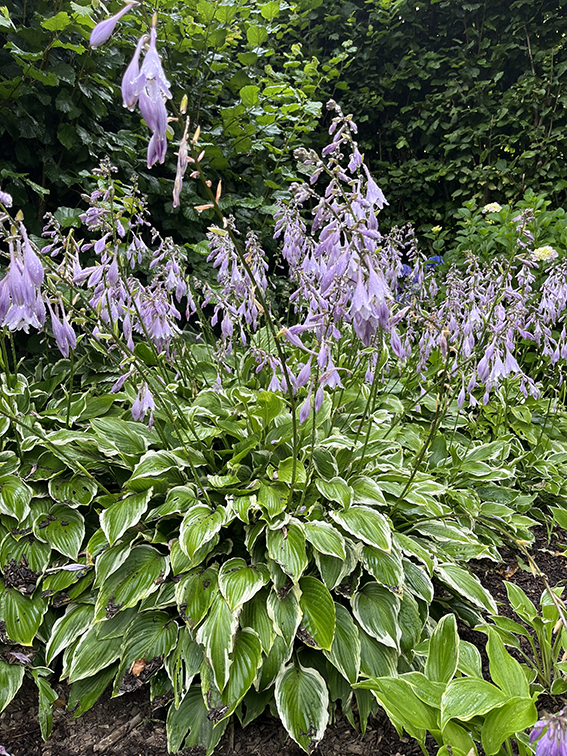
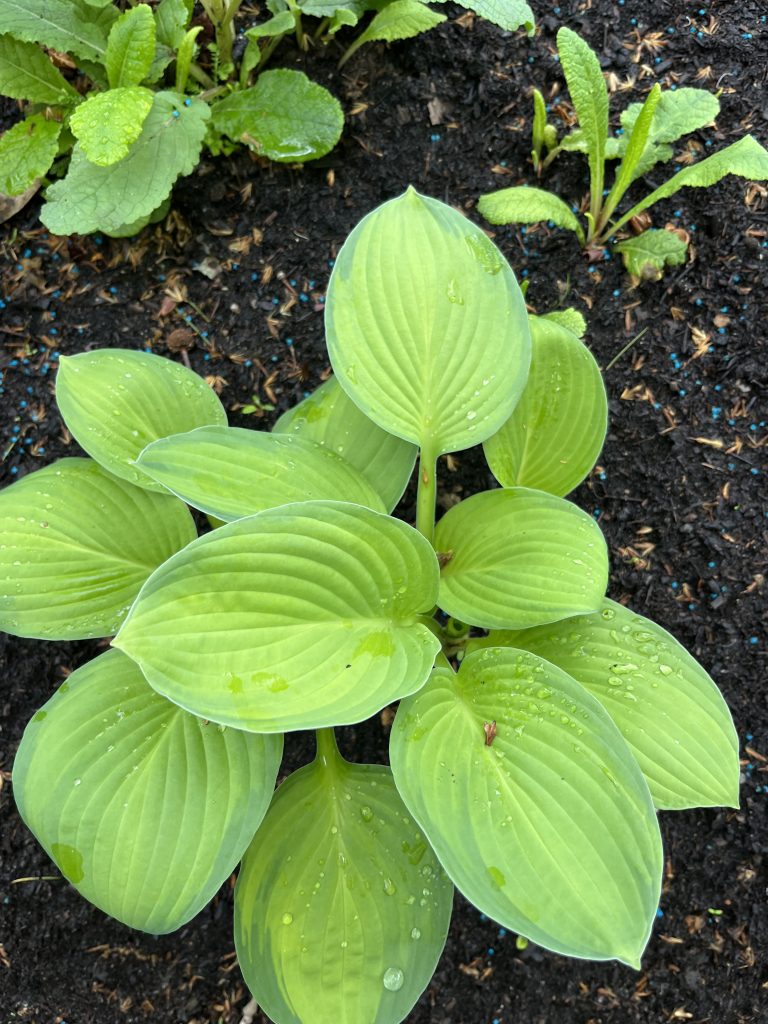

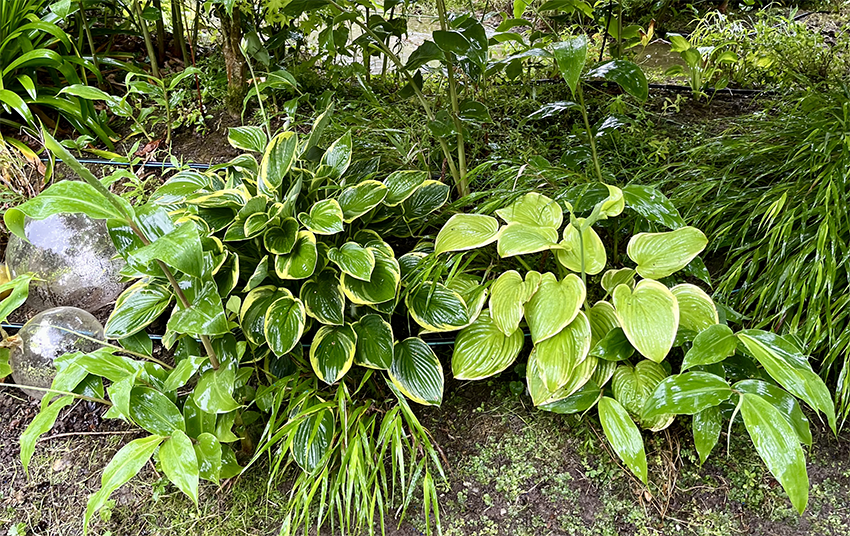
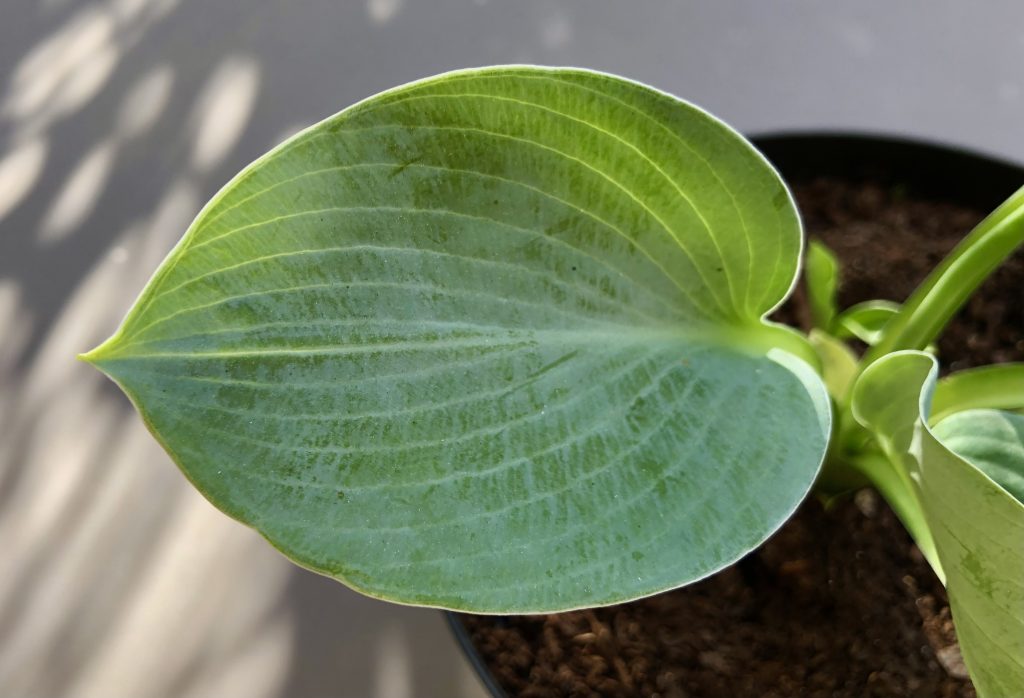
Hostas do not compete for the spotlight with explosive blooms. Their true appeal lies in their striking foliage, which provides harmony, color, volume, and texture without dominating the surroundings, making them discreet yet elegant. There are hostas with bluish, golden, lime-green, or variegated leaves with white or cream margins. Some have leaves as textured as leather, while others are as soft as velvet.
And although they do bloom—primarily in summer, with clusters of white or lilac flowers, some even fragrant—what truly makes them unique is their ability to beautify elegantly without imposing themselves over other plants.
Hostas are primarily used in landscaping and garden design. They are a popular choice for borders, flower beds, damp areas, Zen-inspired designs, and shade gardens, thanks to their resilience and low maintenance.
They are categorized by leaf color (green, blue, gold, variegated), size (miniature, medium, giant), growth habit (compact, arching, spreading), sun/shade tolerance, or flower fragrance.
They are frequently chosen for their ability to bring a touch of elegance and serenity to any green space.
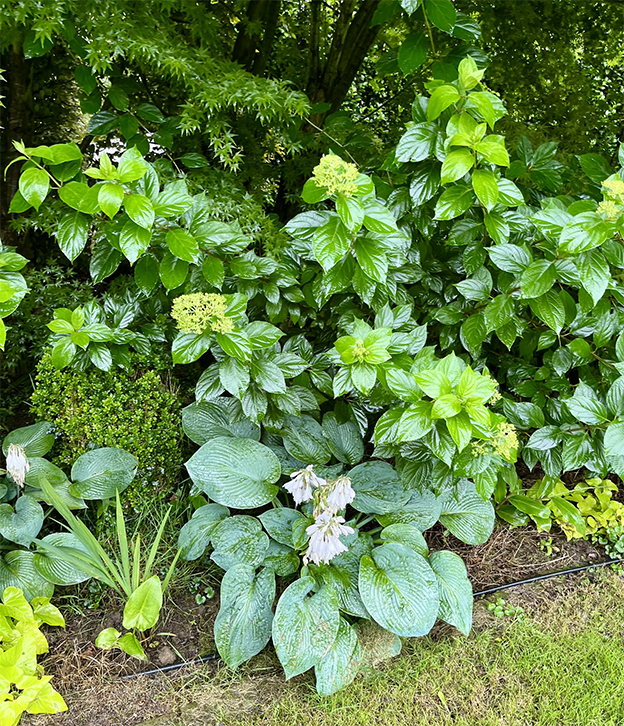
More recently, hostas have been gaining popularity as indoor plants, especially in spaces with indirect light, in pots, and in urban gardens. Their presence indoors not only adds an element of nature, visual balance, and freshness but also carries with it their positive symbolism of patience, serenity, and constancy.
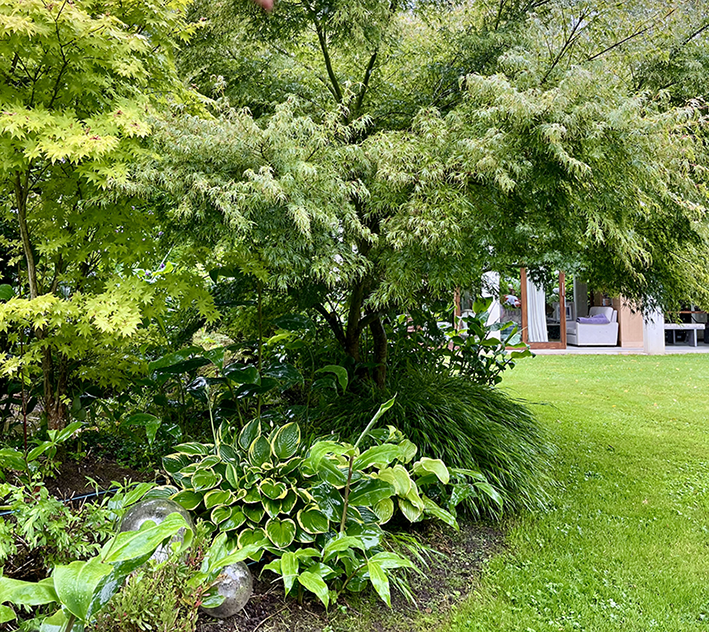
Hostas teach us that growing in silence is also growth. That a slow pace can be a steady one. That there are ways to shine that don’t require a spotlight. And that green—in all its forms—has the power to calm, harmonize, and transform a space.
If you have a shaded corner, if you are looking for a plant that expresses serene strength, or if you simply want to enter an exciting botanical world, hostas are your best ally. Because no garden is complete without a little shade… or without a hosta.